
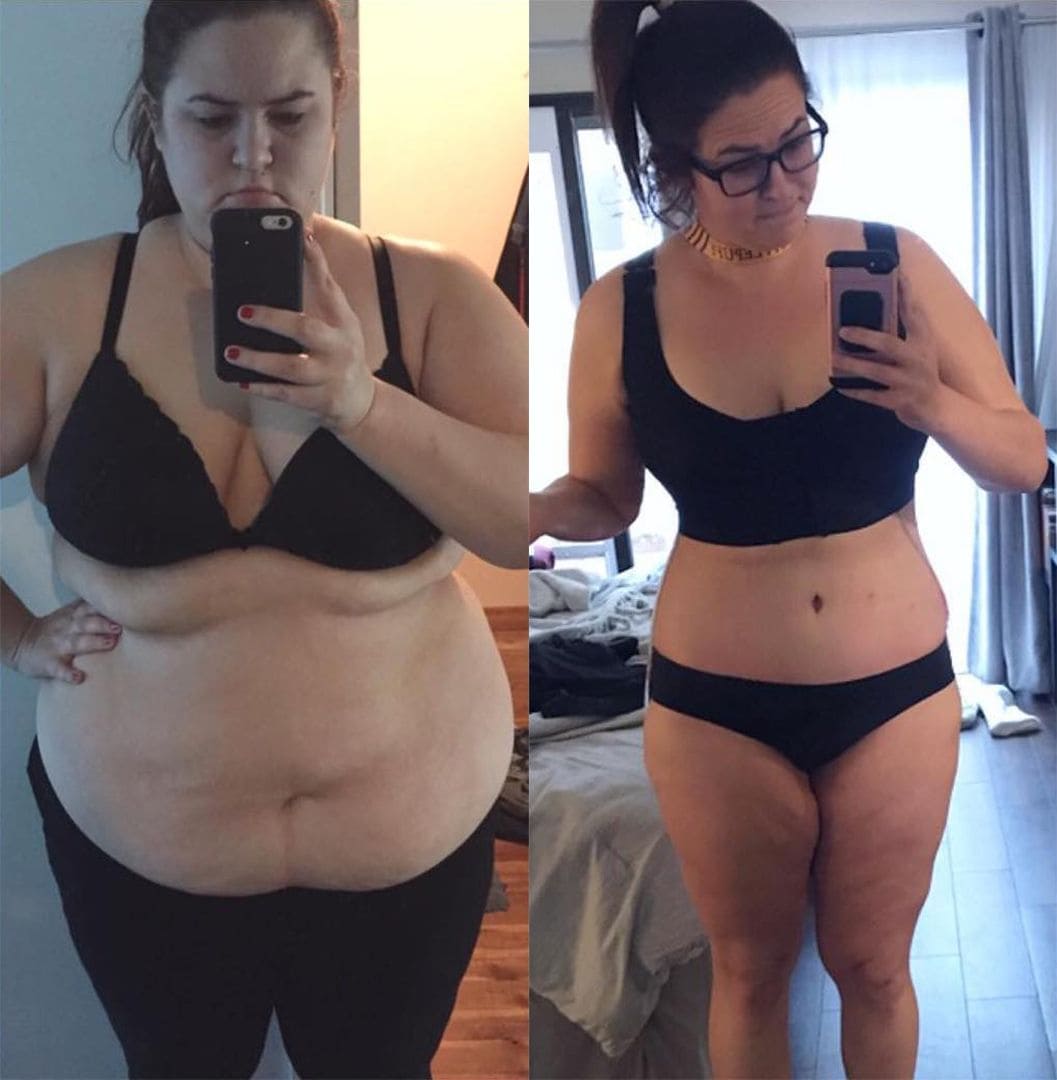
Sleeve gastrectomy is a type of bariatric surgery that involves removing approximately 80% of the stomach, leaving a sleeve-shaped stomach about the size and shape of a banana. This smaller stomach can't hold as much food, which limits calorie intake and leads to weight loss. Additionally, the procedure reduces the production of ghrelin, a hormone that stimulates hunger, further aiding in weight loss.
Key features of Sleeve Gastrectomy include:
Why is it done?
Sleeve gastrectomy is recommended for individuals with severe obesity who have not achieved long-term success with non-surgical weight loss methods. Specific criteria include:
What happens during the procedure?
The sleeve gastrectomy procedure typically involves the following steps:
The entire surgery usually takes between 60 to 90 minutes when performed by an experienced surgeon. Post-surgery, patients typically stay in the hospital for 1-2 days for monitoring and to begin adjusting to their new dietary requirements.
Enquire Now


