
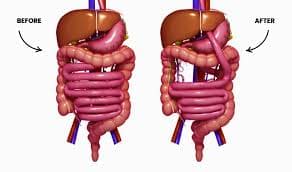
Gastric bypass, also known as Roux-en-Y gastric bypass, is a surgical procedure that involves creating a small pouch from the stomach and connecting it directly to the small intestine, bypassing a large part of the stomach and the first part of the small intestine. This procedure works through both restriction (limiting food intake) and malabsorption (reducing calorie and nutrient absorption).
Key features of Gastric Bypass include:
Why is it done?
Gastric bypass is recommended for individuals with severe obesity who have not achieved long-term success with non-surgical weight loss methods. Specific criteria include:
The procedure aims to help patients achieve significant weight loss, improve obesity-related health conditions (especially type 2 diabetes), and enhance overall quality of life.
What happens during the procedure?
The gastric bypass procedure typically involves the following steps:
The entire surgery usually takes between 2 to 3 hours when performed by an experienced surgeon. Post-surgery, patients typically stay in the hospital for 2-3 days for monitoring and to begin adjusting to their new dietary requirements.
Enquire Now


