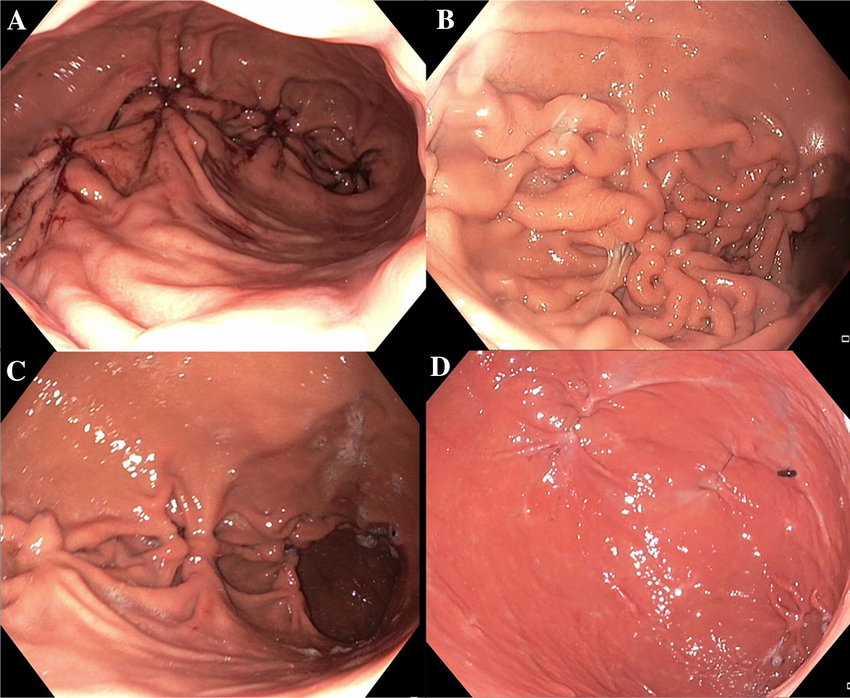
Endoscopic Bariatric Surgery
Endoscopic bariatric surgery refers to minimally invasive weight loss procedures performed entirely through the mouth using an endoscope, without any external incisions. These procedures can be used for primary weight loss treatment or to revise previous bariatric surgeries.
Key features of Endoscopic Bariatric Surgery include:
- Less invasive than traditional bariatric surgeries
- Often performed as outpatient procedures
- Can be reversible or repeatable
- May be suitable for patients with lower BMIs or as a bridge to more definitive surgery
Why is it done?
Endoscopic bariatric procedures are recommended for:
- Individuals with a BMI between 30 and 40 who haven't succeeded in losing weight with diet and exercise
- Patients who are not candidates for traditional bariatric surgery due to medical reasons
- Those who need revision of a previous bariatric surgery
- Patients seeking a less invasive option with potentially fewer complications
The aim is to provide effective weight loss solutions with reduced risk and faster recovery compared to traditional surgical approaches.
What happens during the procedure?
While specific steps vary depending on the type of endoscopic procedure, generally:
- The patient is sedated or given general anaesthesia.
- An endoscope is inserted through the mouth into the stomach.
- Depending on the procedure, the surgeon may:
- Place a temporary device in the stomach (e.g., intragastric balloon)
- Use suturing devices to reduce stomach size (e.g., endoscopic sleeve gastroplasty)
- Revise a previous gastric bypass
- The endoscope is removed once the procedure is complete.
Most endoscopic procedures take 30 minutes to 2 hours. Patients often go home the same day or after a short observation period.
Enquire Now